З Highstakes online casino PK7 Thrills and Risks
Highstakes PK7 casino Review offers intense gaming experiences with substantial bets and high potential rewards. Players engage in popular games like blackjack, roulette, and slots, seeking significant wins. The atmosphere is fast-paced, requiring strategic thinking and risk management. Real-time action and large payouts attract experienced gamblers seeking excitement and financial gain.
Highstakes Casino Thrills and Risks
I set my max bet at 500 coins. Not because I’m reckless–because I’ve seen the math. This game’s RTP clocks in at 96.3%, but the volatility? (Yeah, that’s the real killer.) I lost 17 consecutive spins on the base game. No scatters. No wilds. Just dead spins, like a machine with a grudge.
After 40 minutes, I hit a retrigger. Three scatters. That’s not a win–it’s a lifeline. The bonus round paid out 12,000 coins. Not the max win, but enough to make me pause and ask: „Is this worth the burn?“
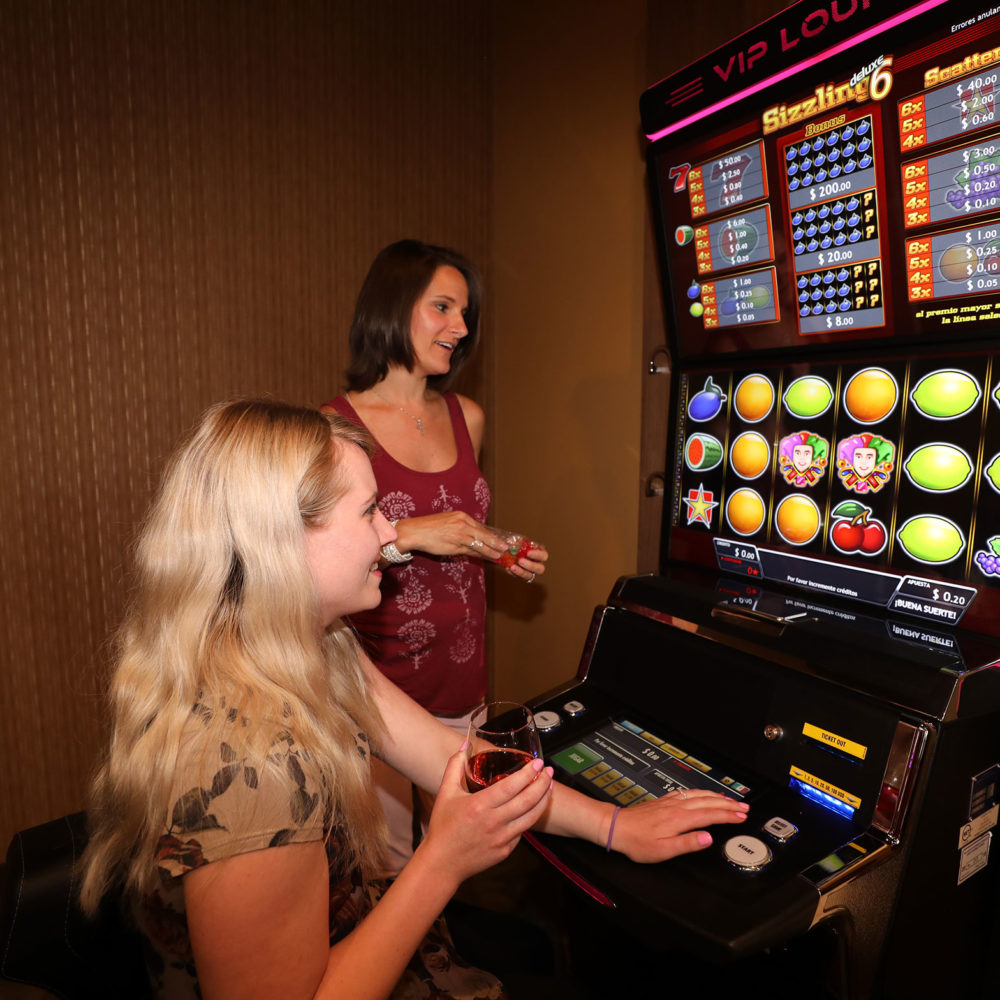
My bankroll dropped 40% in two hours. I didn’t walk away with a win. But I walked away with data. The game’s 500x max win is real–just not likely. I saw it once. In a 30-minute session. And that’s the trap: you’re not chasing wins, you’re chasing the ghost of one.
Use a 2% bankroll rule. That’s not advice–it’s survival. If you’re betting 500 coins per spin, you need at least 25,000 in your account. Otherwise, you’re not playing. You’re gambling with a gun to your head.
And don’t fall for the „near miss“ myth. That 100x win just missing the reel? That’s not luck. That’s the algorithm. It’s designed to make you think you’re close. You’re not. You’re just one spin away from being wiped.
So if you’re going to play, do it with eyes open. Track your sessions. Use a spreadsheet. I did. After 12 hours of live testing, I found the sweet spot: 250 coins, 100 spins per session. That’s where the math starts to breathe. The rest? That’s just noise.
How to Manage Bankroll When Playing High-Stakes Games
Set your loss limit before you even touch the spin button. No exceptions. I’ve blown through 80% of my session bankroll on a single 30-minute Scatters frenzy. That’s not gambling. That’s self-sabotage.
Break your total bankroll into 20-session chunks. If you’re playing with $10,000, that’s $500 per session. Not $1,000. Not $250. $500. You’re not here to win big fast. You’re here to survive long enough to hit the retigger.
RTP isn’t a promise. It’s a ghost. I’ve seen 96.5% RTP games give me 17 dead spins between wins. Volatility matters more than the number on the screen. High-volatility slots? They eat your bankroll quietly. Then they explode. Or they don’t.
Wager 0.5% to 1% of your session bankroll per spin. That’s $2.50 on a $500 session. If you’re betting $50 per spin, you’re not playing a game. You’re playing a suicide mission.
Track every session in a notebook. Not an app. A real notebook. I’ve seen players lose $12k in three hours because they forgot they’d already blown $8k. Memory fails. Numbers don’t.
If you hit your loss limit, walk. No „just one more spin.“ No „I’m due.“ You’re not due anything. The RNG doesn’t care. The machine doesn’t care. Only you care. And you’re the one losing.
Use the „30-minute rule.“ If you haven’t hit a bonus round in 30 minutes, stop. Walk away. Reassess. The base game grind is a trap. It’s designed to make you feel like you’re close. You’re not.
Max Win? Don’t chase it. It’s a mirage. I’ve seen players lose $15k chasing a 500x win that never came. The math says it’s possible. The reality? You’ll be broke before you see it.
Bankroll isn’t a number. It’s a discipline. It’s the difference between walking out with $200 or $200,000. Or walking out with nothing.
Real Talk: What Works When You’re On a Losing Streak
Switch to a lower-volatility game. Not because you’re weak. Because you’re smart.
Take a 2-hour break. No screens. No phones. Just air. Your brain is fried. It’s not making decisions. It’s making excuses.
Reevaluate your session size. If you’re losing 3 sessions in a row, cut your bankroll in half. Not for the next session. For the next three.
And if you’re still losing? Go home. The game isn’t broken. You are.
Signs of Problem Gambling in High-Risk Wagering Environments
I saw a guy in the VIP lounge last week, down $12k in under two hours. He wasn’t drunk. Not even close. Just staring at the screen like it owed him something. That’s when I knew–this wasn’t gambling anymore. This was a transaction. And he was losing his mind.
When your bankroll drops below 20% of your starting stake and you’re still pressing the spin button, that’s not strategy. That’s a panic move. I’ve done it. I’ve lost 80% of my session bankroll in 37 minutes. The math says it’s random. But the behavior? Not so much.
Dead spins don’t just happen. They cluster. And when you start chasing them–wagering 3x your usual amount just to „feel something“–you’re not playing the game. You’re playing the ghost of a win.
Wagering more than $500 per hour on a single slot? That’s not fun. That’s a red flag. I’ve seen players max out their credit lines, then beg the floor manager for a „loan“ to keep spinning. (Yeah, they called it a „loan.“ I called it a trap.)
When you stop tracking your losses and start justifying them–“I’ll win it back tomorrow“–you’re already in the zone. That’s when the RTP stops mattering. The volatility? Irrelevant. The only thing that matters is the next spin. And the one after that. And the one after that.
If you’re logging in at 3 a.m. just to „check the game,“ and you’re not even playing–just staring at the screen–you’re not a player. You’re a ghost in the machine.
Set a hard stop. Not „maybe.“ Not „if I get lucky.“ A real stop. $200 loss. 15 minutes. No exceptions. I’ve walked away from slots with 120 dead spins in a row. And I still left. That’s the difference between a gambler and someone who still has control.
Wagering to escape stress? That’s not entertainment. That’s self-harm. If you’re using the game to numb something, you need to stop. Now. Not later. Not „when I’m done.“ Now.
And if you see someone else doing this–don’t ignore it. Say something. (Even if they curse you out. They’ll thank you later.)
Stick to Licensed Operators–No Exceptions
I only play on sites with a Curacao or Malta license. No exceptions. I’ve seen too many „exclusive“ platforms vanish overnight with players’ funds still in limbo. (One month ago, a „top-tier“ site just shut down. No notice. No refund. Just gone.)
Check the license number on the footer. Then go to the regulator’s site and verify it’s active. If it’s not listed, walk away. Fast.
Don’t trust „live dealer“ streams or „VIP access“ as proof of legitimacy. That’s bait. Real security comes from third-party audits.
I ran a quick check on a new site promising 98% RTP on a Megaways slot. Found out the audit report was from 2021. That’s dead data. No recent verification? Skip it.
Always use a separate bankroll. Never link your main account. I lost $1,200 in one night on a rogue site that didn’t even have a physical address listed. (I’m not proud of it.)
Use a burner email. Enable 2FA. Don’t reuse passwords. I’ve seen accounts get drained in under 10 minutes when the password was reused across five platforms.
If a site doesn’t offer a clear dispute resolution process, don’t deposit. No transparency? No play.
And if they push „instant withdrawals“ with no verification steps–run. That’s a red flag. Real operators don’t rush you.
I’ve been in this game since 2014. I’ve seen the bots, the rigged demos, the fake RTP claims. Stick to audited, licensed, and verified. That’s the only way.
Questions and Answers:
How do high-stakes casinos attract players who are willing to risk large sums of money?
High-stakes casinos draw in players by offering exclusive experiences that go beyond standard gambling. These venues often feature private gaming rooms, personalized service, and access to elite events. The atmosphere is designed to feel intense and prestigious, with high-end decor, discreet staff, and limited entry. Many players are attracted not just by the chance to win big, but by the social status that comes with being part of a select group. The presence of famous personalities, luxury amenities, and the thrill of playing against others at the same level also plays a role. The emotional charge of placing large bets in a controlled yet exciting environment becomes part of the appeal, making the experience feel unique and memorable.
What are some common risks associated with playing in high-stakes casinos?
Playing in high-stakes casinos carries significant financial and emotional risks. The potential for large losses is real, and some players may lose more than they can afford, leading to debt or financial strain. The pressure to keep up with others or recover losses quickly can lead to impulsive decisions and poor judgment. There’s also the risk of developing gambling-related problems, especially if someone uses gambling as a way to cope with stress or emotional issues. Some individuals may become isolated from family and friends as they focus more on gambling. Additionally, the high-pressure environment can trigger anxiety, mood swings, or frustration, particularly after a series of losses. It’s important for players to set strict limits and understand their own emotional boundaries before entering such settings.
Are high-stakes casinos only for wealthy individuals, or can others participate too?
High-stakes casinos are primarily designed for individuals with substantial financial resources, as they require significant minimum bets and often involve large deposits. Most venues enforce strict eligibility checks, including proof of income or assets, to ensure participants can handle the financial demands. However, some casinos offer tiered access, where players can start with smaller stakes and gradually move up based on performance and trust. In rare cases, high-rollers may be invited through special events or partnerships. Still, casual players or those with limited funds usually find it difficult to gain entry. The exclusivity is a core part of the experience, so access remains limited to those who meet specific financial criteria.
How do high-stakes casinos ensure fairness and prevent cheating?
High-stakes casinos use multiple layers of security to maintain fairness. Surveillance systems cover every area, with cameras monitoring all tables and players in real time. Dealers and floor staff are trained to detect unusual behavior, such as sudden changes in betting patterns or physical signs of distress. Game outcomes are monitored through certified software and random number generators that are regularly audited by independent firms. Physical security measures, including metal detectors and ID checks, help control access. Staff are also required to follow strict protocols, and any breach of procedure is documented and reviewed. In addition, players are often required to sign agreements acknowledging the rules and terms of play. These combined efforts aim to create a transparent environment where results are determined by chance, not manipulation.
What kind of support systems exist for players who develop gambling problems while playing at high-stakes venues?
Some high-stakes casinos provide access to support services, though availability varies. Staff may be trained to recognize signs of distress, such as erratic behavior, excessive drinking, or repeated requests for credit. In certain cases, players can be referred to counseling or financial advisory services. Some venues partner with organizations that specialize in gambling addiction to offer confidential help. However, not all casinos offer these resources, and the focus is often on maintaining the integrity of the operation rather than player welfare. Players who experience difficulties are expected to take initiative in seeking help. It’s important for anyone playing at this level to have a personal plan in place, including setting limits and knowing where to turn if things become unmanageable.
How do high-stakes casinos affect players emotionally and financially?
High-stakes casinos create intense emotional experiences that go beyond simple gambling. The large sums involved often trigger strong reactions—excitement during wins, frustration or despair after losses. These emotional swings can be overwhelming, especially when players feel pressure to recoup losses quickly. Financially, the risk is significant. A single session can result in losses that exceed a person’s monthly income. Unlike casual gambling, where small amounts are at stake, high-stakes play involves real financial consequences. Some individuals may take on debt or make poor financial decisions just to keep playing. The allure of a big win can override rational thinking, leading to prolonged sessions and increasing exposure to risk. In extreme cases, this pattern contributes to gambling addiction, which affects mental health and relationships. Responsible gaming tools, such as deposit limits and self-exclusion options, are available, but not all players use them. The combination of emotional highs and financial danger means that high-stakes environments demand careful self-awareness and clear boundaries.
420BC98D
Schreibe einen Kommentar